
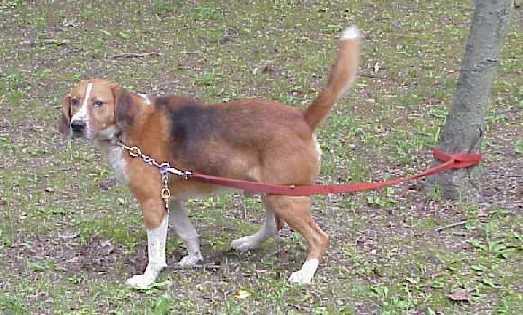
Treeing Walker Coonhounds are generally even-tempered companions, but like every breed, they have predictable health vulnerabilities. Knowing what to watch for — and catching issues early — is the difference between a manageable condition and an expensive emergency.
Lifespan: 12–13 years |
Important: This guide is for informational purposes. Always consult your vet for diagnosis and treatment. Early vet intervention consistently produces better outcomes than home management alone.
Treeing Walker Coonhound Health Products at a Glance
| Product | Price | Protects Against |
|---|---|---|
| Embark Dog DNA Test Kit | $149.00 | genetic-health, breed-identification |
| Wisdom Panel Essential Dog DNA Test | $99.99 | genetic-health, breed-identification |
| NexGard Chewables for Dogs (Flea & Tick) | $68.99 | parasite-prevention |
| Seresto Flea and Tick Collar for Dogs | $59.98 | parasite-prevention |
| Vetericyn Plus All Animal Wound & Skin Care | $19.99 | wound-care, skin-health |
Most Common Treeing Walker Coonhound Health Issues
1. Ear infections
Symptoms to watch: Head shaking, scratching at ears, odour, discharge, redness
Prevention: Check ears weekly, dry after swimming/bathing, use vet-recommended ear cleaner monthly.
When to see the vet: When symptoms persist more than 48 hours or worsen rapidly.
2. Obesity
Symptoms to watch: Cannot feel ribs, no visible waist, reduced activity, panting with light exercise
Prevention: Measure all food (don’t free-feed), account for treats in daily calorie budget, weigh monthly.
When to see the vet: When symptoms persist more than 48 hours or worsen rapidly.
3. Bloat
Symptoms to watch: Unproductive retching, distended abdomen, restlessness, collapse — EMERGENCY
Prevention: Feed two smaller meals daily, avoid exercise 1 hour before and after eating, consider slow-feeder bowl. Know the emergency signs: unproductive retching, distended belly, restlessness.
When to see the vet: Immediately — GDV is fatal within hours without surgery.
4. Intervertebral disc disease
Symptoms to watch: Varies — any persistent change in behaviour or appearance warrants a vet visit
Prevention: Regular vet checks and breed-specific screening tests are the most effective prevention.
When to see the vet: When symptoms persist more than 48 hours or worsen rapidly.
5. Eye problems
Symptoms to watch: Cloudiness, excessive tearing, squinting, discharge
Prevention: Annual vet eye checks, wipe discharge daily, watch for cloudiness or increased tearing.
When to see the vet: When symptoms persist more than 48 hours or worsen rapidly.
6. Hip/elbow dysplasia
Symptoms to watch: Reluctance to rise, stiffness after rest, bunny-hopping gait, reduced exercise tolerance
Prevention: Maintain healthy weight, provide orthopedic sleeping surface, consider joint supplements from adulthood, avoid over-exercise during puppyhood.
When to see the vet: When symptoms persist more than 48 hours or worsen rapidly.
Essential Health Products for Treeing Walker Coonhounds
DNA Testing — Know Before It Happens
Embark Dog DNA Test Kit — $149.00 | ★★★★★ 4.5/5
Check current price on Amazon →{rel=“nofollow sponsored”}
Best DNA test overall — unmatched health screening depth
Treeing Walker Coonhounds from reputable breeders may have health clearances — DNA testing adds an additional layer of knowledge.
Parasite Prevention — Year-Round Protection
NexGard Chewables for Dogs (Flea & Tick) — $68.99 | ★★★★★ 4.6/5
Check current price on Amazon →{rel=“nofollow sponsored”}
Best monthly flea and tick prevention — the easiest format for compliance
Why it matters for Treeing Walker Coonhounds: Fleas cause allergic reactions and tapeworm transmission. Ticks transmit Lyme disease and other serious infections. Prevention is significantly cheaper than treatment.
Dental Health — The Most Neglected Area
NexGard Chewables for Dogs (Flea & Tick) — $68.99 | ★★★★★ 4.6/5
Check current price on Amazon →{rel=“nofollow sponsored”}
Best monthly flea and tick prevention — the easiest format for compliance
The minimal effective dental routine:
- Brush 3× per week with dog-specific toothpaste
- Provide VOHC-accepted dental chews daily
- Annual professional dental cleaning under anaesthesia (typically from age 2–3)
Ear Care — Preventable Infections
Zymox Ear Solution for Dogs and Cats — $22.99 | ★★★★★ 4.7/5
Check current price on Amazon →{rel=“nofollow sponsored”}
Best OTC ear treatment — the enzymatic formula is genuinely effective
First Aid — Every Owner Needs This
Vetericyn Plus All Animal Wound & Skin Care — $19.99 | ★★★★★ 4.6/5
Check current price on Amazon →{rel=“nofollow sponsored”}
Best first-aid spray for dogs — every dog owner should have this
Treeing Walker Coonhound Preventive Health Calendar
| Age | Key Health Actions |
|---|---|
| 8–16 weeks | Core vaccinations, parasite prevention, health check |
| 6 months | Spay/neuter discussion with vet, dental check |
| 12 months | Annual vaccines, comprehensive blood panel, dental check |
| 1–7 years | Annual vet exam, continued parasite prevention, weight monitoring |
| 9+ years | Biannual vet exams, joint assessment, bloodwork every 6 months |
When to Go to the Vet Immediately
Emergency signs in Treeing Walker Coonhounds — don’t wait:
- Unproductive retching with distended belly → potential bloat/GDV
- Sudden collapse or inability to stand
- Laboured breathing or blue/grey gums
- Seizures or extreme disorientation
- Swallowed foreign object with distress signs
- Deep cuts or wounds with persistent bleeding
- Eye injury or sudden vision loss
Frequently Asked Questions
Q: How many times per year should my Treeing Walker Coonhound see a vet? A: Once annually until age 10, then twice yearly. As Treeing Walker Coonhounds enter their senior years, more frequent bloodwork and organ function tests become important.
Q: Is pet insurance worth it for Treeing Walker Coonhounds? A: For large breeds like the Treeing Walker Coonhound: generally yes. Large breed dogs have higher average claim costs — orthopaedic surgeries commonly run $3,000–8,000. Insurance premiums of $40–80/month can represent significant savings.
Q: Should I get a DNA test if my Treeing Walker Coonhound comes from a reputable breeder? A: Reputable breeders will have health clearances for common conditions. A DNA test still adds value for comprehensive health markers and lifetime monitoring.
Q: How do I know if my Treeing Walker Coonhound is at a healthy weight? A: Feel the ribs — you should be able to feel them without pressing hard. View from above — there should be a visible waist. View from the side — abdomen should tuck up slightly behind the chest.
Q: What vaccinations does my Treeing Walker Coonhound need? A: Core vaccines: distemper, parvovirus, adenovirus, rabies. Non-core (discuss with vet): Lyme disease (especially for breeds), leptospirosis, Bordetella. Annual boosters as recommended.
Our Verdict
Proactive health management for Treeing Walker Coonhounds means: DNA testing to know genetic risks, year-round parasite prevention (NexGard Chewables for Dogs (Flea & Tick){rel=“nofollow sponsored”}), consistent dental care, and regular vet monitoring.
The biggest payoff comes from early detection — most of the conditions Treeing Walker Coonhounds are prone to are significantly more treatable when caught early.
More Treeing Walker Coonhound guides:
- Best food for Treeing Walker Coonhounds →
- Best supplements for Treeing Walker Coonhounds →
- Treeing Walker Coonhound care hub →
Compare breeds, estimate ownership costs, or find breed-specific dog name ideas.
Product availability, prices, formulas, and service details can change. Send us the page URL and the specific detail we should review.