
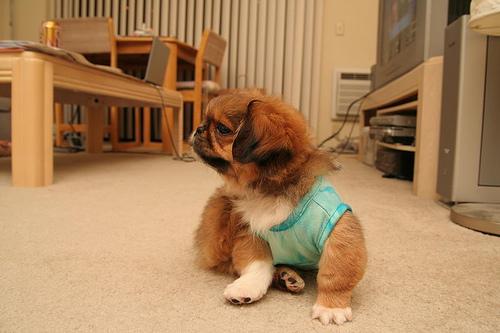
Pekingeses rank #74 in canine intelligence (Lowest).
Pekingeses are capable learners but need consistency. Keep sessions short, always end on a success, and use positive reinforcement throughout.
Disclosure: We earn a small commission on qualifying purchases. This doesn’t affect our rankings.
Training Gear at a Glance
| Tool | Price | Type | Award |
|---|---|---|---|
| Flexi New Classic Retractable Leash | $26.99 | leashes | 🥇 |
| Whistle Go Explore GPS Tracker | $79.95 | gps trackers | |
| Rabbitgoo No-Pull Dog Harness | $25.99 | harnesses | |
| Ruffwear Front Range Dog Harness | $49.95 | harnesses | |
| PetSafe Gentle Leader Headcollar | $22.95 | training aids |
Pekingese Training Profile
| Attribute | Rating |
|---|---|
| Trainability | Moderate |
| Energy | Calm |
| Size | Small |
| Intelligence | Lowest |
Best Training Gear for Pekingeses
1. Rabbitgoo No-Pull Dog Harness — Best Harness
$25.99 | ★★★★★ 4.5/5
Check current price on Amazon →{rel=“nofollow sponsored”}
Best budget harness — near-Ruffwear quality at a fraction of the price
Why harness over collar: Collars put pressure on the trachea when a small dog pulls. A front-clip harness redirects pulling without the pressure, making training faster.
Pros:
- Best value no-pull harness
- 5-point adjustment
- Reflective for safety
2. Flexi New Classic Retractable Leash — Best Leash
$26.99 | ★★★★☆ 4.4/5
Check current price on Amazon →{rel=“nofollow sponsored”}
Best retractable leash — only use in safe open areas with trained dogs
Training leash rules: Use a 4–6 foot standard leash for training — never a retractable lead, which gives inconsistent feedback and teaches dogs that pulling works.
3. Whistle Go Explore GPS Tracker — Best Collar / GPS
$79.95 | ★★★★☆ 4.2/5
Check current price on Amazon →{rel=“nofollow sponsored”}
Best budget GPS tracker — lighter and cheaper with health monitoring
Pekingese Training Timeline
Week 1–2: Foundation
- Sit, down, stay — the three non-negotiable commands
- Name recognition — pair name with treat every time they look at you
- Loose-leash walking — start indoors, 5 minutes at a time
Week 3–4: Building blocks
- Come (recall) — most important safety command; use a long line in the garden
- Leave it — critical for Pekingeses encountering food or objects
- Polite greetings — 4-on-floor rule: attention only when all paws are down
Month 2–3: Generalisation
- Practice all commands in new locations with distractions
- Puppy or group classes — socialisation is as important as obedience
- Begin breed-specific enrichment: enrichment activities matching the Pekingese’s natural instincts
Common Pekingese Training Mistakes
- Inconsistency — if “off the sofa” means sometimes, it means never. All family members must follow the same rules.
- Sessions too long — 5–10 minute sessions beat 30-minute attempts every time.
- Using punishment — creates anxiety and suppresses behaviour without teaching an alternative.
- Skipping socialisation — Pekingeses not exposed to varied people, dogs and environments during puppyhood develop fear-based reactivity.
Frequently Asked Questions
Q: At what age should I start training my Pekingese? A: The moment you bring them home — typically 8 weeks. Short positive sessions from week 8 produce dogs that are fundamentally easier to live with.
Q: How long should training sessions be? A: 5–10 minutes maximum. Short and successful beats long and frustrating. Always end before your dog loses interest.
Q: My Pekingese pulls badly on lead. What works? A: The Rabbitgoo No-Pull Dog Harness with front-clip is the most immediate solution — it redirects pulling instead of punishing it. Pair with the “be a tree” method: stop completely when tension appears, move forward only on a loose lead.
Q: Should I attend puppy classes? A: Yes — the socialisation value alone justifies the cost, especially for small breeds. Group classes also teach training in the presence of distractions, which is where most home training falls apart.
Our Verdict
Training a Pekingese well comes down to the right equipment (start with Rabbitgoo No-Pull Dog Harness), consistent positive reinforcement, and enough mental enrichment to prevent boredom-based problems.
Pekingeses are naturally moderate-to-train. Build the habit of short daily sessions and results come faster than most owners expect.
More Pekingese guides:
JugBow No-Pull Training Harness
Dual-clip training harness with front and back D-rings. Reflective stitching, padded chest plate, an…
Affiliate link — no extra cost to you
Compare breeds, estimate ownership costs, or find breed-specific dog name ideas.
Product availability, prices, formulas, and service details can change. Send us the page URL and the specific detail we should review.