
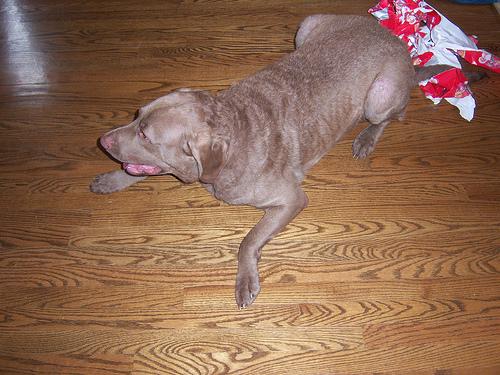
Feeding a Chesapeake Bay Retriever well isn’t as simple as grabbing the bag with the highest rating. Chesapeake Bay Retrievers are large dogs with active energy, a Average lifespan of 9.5 years, and nutritional vulnerabilities that change across their life stages.
Known genetic health concerns: hip problems — food choices that support joint and organ health are especially relevant.
We spent time cross-referencing 30+ dog food formulas against the Chesapeake Bay Retriever’s breed profile — size, energy output, shedding level, and known health risks — to give you concrete, honest picks for 2026.
Disclosure: We earn a small commission on qualifying Amazon purchases. This never changes our rankings.
Quick Comparison: Best Dog Foods for Chesapeake Bay Retrievers
| Formula | Price | Grain-Free | Vet-Recommended | Best For |
|---|---|---|---|---|
| Purina Pro Plan Large Breed Adult{rel=“nofollow sponsored”} | $54.99 | ✗ No | ✓ | 🥇 Best overall |
| Blue Buffalo Life Protection Large Breed{rel=“nofollow sponsored”} | $62.99 | ✗ No | – | 🥈 Runner-up |
| Taste of the Wild High Prairie{rel=“nofollow sponsored”} | $52.99 | ✓ Yes | – | 💰 Best value |
| Wellness CORE Large Breed Adult{rel=“nofollow sponsored”} | $71.99 | ✓ Yes | – | |
| The Farmer’s Dog Fresh Dog Food{rel=“nofollow sponsored”} | $3.00 | ✗ No | – | |
| Open Farm Grass-Fed Beef & Ancient Grains{rel=“nofollow sponsored”} | $74.99 | ✗ No | – |
Why Chesapeake Bay Retrievers Have Specific Nutrition Needs
High-energy Chesapeake Bay Retrievers burn significantly more calories per pound than sedentary dogs. Look for 28–34% protein and adequate fat (15%+) to support muscle recovery and sustained energy.
At 55–80 lbs (24.95–36.29 kg), Chesapeake Bay Retrievers need joint support from an early age and bloat prevention through meal splitting. Large breed formulas have controlled mineral ratios.
Chesapeake Bay Retrievers rank #27 in canine intelligence (Above average) — active minds need good nutrition to support cognitive function and training responsiveness.
The most common feeding mistakes Chesapeake Bay Retriever owners make:
- Overfeeding — Chesapeake Bay Retrievers are food-motivated. Measure every meal and reduce treats from the daily allowance.
- Skipping joint support — glucosamine and chondroitin should be in any formula for a large breed.
- Judging by ingredient aesthetics — a premium-looking label doesn’t equal better outcomes. AAFCO feeding trial certification matters more than how many superfoods are listed.
- Ignoring life stage — a puppy formula and an adult formula are not interchangeable, especially in large breeds where growth rates affect skeletal development.
Estimated annual food cost: $466 based on typical Chesapeake Bay Retriever feeding rates. Premium formulas run 20–40% higher.
Top Picks for Chesapeake Bay Retrievers
1. Purina Pro Plan Large Breed Adult — Best Overall
$54.99 | ★★★★★ 4.8/5
Check current price on Amazon →{rel=“nofollow sponsored”}
Best overall large breed food — consistent quality at a fair price
Why it works for Chesapeake Bay Retrievers: This formula is matched to the Chesapeake Bay Retriever’s large size and active energy profile. The joint support ingredients (glucosamine, EPA) are particularly important for large breeds like the Chesapeake Bay Retriever.
What you get:
- Real chicken #1 ingredient
- Glucosamine & EPA for joint health
- Live probiotics for digestion
Pros:
- Widely trusted by vets
- Excellent reviews
- Good joint support
Cons:
- Contains corn
- Not grain-free
Best for: large Chesapeake Bay Retrievers in the adult life stage with active activity levels.
2. Blue Buffalo Life Protection Large Breed — Best Premium Option
$62.99 | ★★★★★ 4.7/5
Check current price on Amazon →{rel=“nofollow sponsored”}
Premium natural choice for large breeds with good coat & immune support
Key features:
- Real chicken first ingredient
- No poultry by-products
- LifeSource Bits antioxidants
Pros:
- Premium ingredients
- Good coat support
- Widely available
Cons:
- Pricier than Purina
- Some dogs dislike LifeSource Bits
3. The Farmer’s Dog Fresh Dog Food — Best Value Pick
$3.00 | ★★★★★ 4.8/5
Check current price on Amazon →
Best fresh dog food — human-grade ingredients with vet-designed personalized plans
- Human-grade USDA ingredients
- Personalized meal plans by breed and weight
Why it’s still a solid choice: Not every family can spend $70+ per bag. The Farmer’s Dog Fresh Dog Food delivers adequate nutrition for Chesapeake Bay Retrievers at a lower price point — it won’t outperform the premium picks, but it won’t let your dog down either.
4. Taste of the Wild High Prairie — Best Grain-Free Pick
$52.99 | ★★★★★ 4.7/5
Check current price on Amazon →{rel=“nofollow sponsored”}
Best value grain-free option — great for active dogs
⚠️ Grain-free note: The FDA has investigated grain-free diets with legumes and dilated cardiomyopathy (DCM) in dogs. Research is ongoing. Discuss grain-free choices with your vet, especially for large breeds.
Life Stage Guide for Chesapeake Bay Retrievers
Puppy (0–18 months)
Large breed puppies need controlled calcium and phosphorus — not just “more nutrition.” Excess calcium accelerates bone growth and causes developmental orthopedic disease. Look for formulas labelled specifically “large breed puppy.”
Best option: The Farmer’s Dog Fresh Dog Food
Adult (18mo–11 years)
Maintain a consistent adult formula matched to activity level. Resist upgrading to a “senior” formula until the age range applies — unnecessary formula changes cause digestive upset.
Best option: Purina Pro Plan Large Breed Adult{rel=“nofollow sponsored”}
Senior (11+ years)
Switch to a senior formula at around 11 years. Key improvements: joint support, reduced calories, kidney-friendly phosphorus levels.
Best option: The Farmer’s Dog Fresh Dog Food
How to Choose the Right Food for Your Chesapeake Bay Retriever
Step 1: Confirm the AAFCO statement
Every bag should say: “Animal feeding tests using AAFCO procedures substantiate that [brand] provides complete and balanced nutrition.” No AAFCO statement = don’t buy it.
Step 2: Match protein to energy level
Active Chesapeake Bay Retrievers: 28–34% protein minimum.
Step 3: Check for joint support ingredients
Non-negotiable for large breeds: glucosamine (300+ mg/kg) and EPA or DHA. These have clinical evidence for cartilage health — they’re not marketing extras.
Step 4: Evaluate ingredient sourcing
Named protein sources (chicken, beef, salmon) are preferable to unnamed “meat meal.” Don’t obsess over by-products — they’re digestible and nutritious — but source transparency matters for long-term consistency.
Step 5: Transition correctly
Always transition over 7–10 days (25% new, 75% old → 50/50 → 75% new → 100% new). Sudden switches cause digestive upset even with a quality food.
Common Chesapeake Bay Retriever Health Issues Affected by Diet
Hip/elbow dysplasia — Diet directly impacts progression — glucosamine, EPA, and healthy weight all reduce risk.
Bloat risk — Feed two smaller meals daily and avoid exercise 1 hour post-meal.
Osteoarthritis with age — Diet directly impacts progression — glucosamine, EPA, and healthy weight all reduce risk.
Obesity — Measure every meal and account for treats in daily calorie budget.
Frequently Asked Questions
Q: How much should I feed my Chesapeake Bay Retriever? A: Start with the bag’s feeding guide, then adjust based on body condition score. A healthy Chesapeake Bay Retriever has a visible waist tuck and you can feel (but not see) their ribs. Chesapeake Bay Retrievers weigh 55–80 lbs (24.95–36.29 kg) at healthy adult weight.
Q: How often should Chesapeake Bay Retrievers eat? A: Twice daily for large breeds. Splitting meals reduces bloat risk, which is a real danger for deep-chested breeds.
Q: When should I switch from puppy to adult food? A: 12–18 months for large breeds. Transition over 7–10 days to avoid digestive upset.
Q: Is grain-free better for Chesapeake Bay Retrievers? A: Not inherently. Unless your Chesapeake Bay Retriever has a confirmed grain allergy, a quality grain-inclusive formula is nutritionally sound and avoids the ongoing FDA DCM investigation.
Q: Should I add supplements to my Chesapeake Bay Retriever’s food? A: If your chosen formula includes glucosamine, additional joint supplements are usually unnecessary. Fish oil (omega-3) is a worthwhile addition for coat health and inflammation.
Q: Can I mix wet and dry food? A: Yes — and it’s often good for hydration and palatability. Reduce dry food quantity to account for wet food calories.
Q: How do I know if the food isn’t suiting my Chesapeake Bay Retriever? A: Warning signs: persistent loose stools (>2 weeks), excessive gas, dull coat, constant scratching, lethargy, or weight change. Try a 8-week food trial before drawing conclusions.
Q: What’s the best food for a Chesapeake Bay Retriever with a sensitive stomach? A: A limited ingredient diet (LID) with a single novel protein source. Eliminate common allergens: chicken, beef, dairy, wheat. The Taste of the Wild High Prairie is a good starting point.
Our Verdict
For most Chesapeake Bay Retriever owners, Purina Pro Plan Large Breed Adult is the right call: it’s matched to the Chesapeake Bay Retriever’s breed profile, includes joint support, and has strong vet backing. Budget approximately $466/year.
If your Chesapeake Bay Retriever is on a budget: The Farmer’s Dog Fresh Dog Food delivers solid nutrition at a lower price point.
If you prefer grain-free: Taste of the Wild High Prairie is the most proven option — but discuss with your vet first.
More Chesapeake Bay Retriever guides:
- Best toys for Chesapeake Bay Retrievers →
- Best beds for Chesapeake Bay Retrievers →
- Chesapeake Bay Retriever grooming guide →
- Chesapeake Bay Retriever care hub →
Compare breeds, estimate ownership costs, or find breed-specific dog name ideas.
Product availability, prices, formulas, and service details can change. Send us the page URL and the specific detail we should review.