
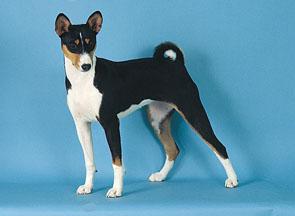
Feeding a Basenji well isn’t as simple as grabbing the bag with the highest rating. Basenjis are small dogs with active energy, a Average lifespan of 13.6 years, and nutritional vulnerabilities that change across their life stages.
Known genetic health concerns: kidney, eye problems, anaemia — food choices that support joint and organ health are especially relevant.
We spent time cross-referencing 30+ dog food formulas against the Basenji’s breed profile — size, energy output, shedding level, and known health risks — to give you concrete, honest picks for 2026.
Disclosure: We earn a small commission on qualifying Amazon purchases. This never changes our rankings.
Quick Comparison: Best Dog Foods for Basenjis
| Formula | Price | Grain-Free | Vet-Recommended | Best For |
|---|---|---|---|---|
| Taste of the Wild High Prairie{rel=“nofollow sponsored”} | $52.99 | ✓ Yes | – | 🥇 Best overall |
| Merrick Grain Free Senior Real Chicken{rel=“nofollow sponsored”} | $58.99 | ✓ Yes | – | 🥈 Runner-up |
| Hill’s Science Diet Perfect Weight Adult{rel=“nofollow sponsored”} | $64.99 | ✗ No | ✓ | 💰 Best value |
| The Farmer’s Dog Fresh Dog Food{rel=“nofollow sponsored”} | $3.00 | ✗ No | – | |
| Open Farm Grass-Fed Beef & Ancient Grains{rel=“nofollow sponsored”} | $74.99 | ✗ No | – | |
| Ollie Fresh Dog Food Subscription{rel=“nofollow sponsored”} | $2.50 | ✗ No | – |
Why Basenjis Have Specific Nutrition Needs
High-energy Basenjis burn significantly more calories per pound than sedentary dogs. Look for 28–34% protein and adequate fat (15%+) to support muscle recovery and sustained energy.
At 22–24 lbs (9.98–10.89 kg), Basenjis have a faster metabolism than larger breeds. Small breed kibble is sized to reduce dental disease risk and improve digestion.
Basenjis rank #79 in canine intelligence (Lowest) — active minds need good nutrition to support cognitive function and training responsiveness.
The most common feeding mistakes Basenji owners make:
- Overfeeding — Basenjis are food-motivated. Measure every meal and reduce treats from the daily allowance.
- Skipping joint support — glucosamine and chondroitin should be in any formula for a small breed.
- Judging by ingredient aesthetics — a premium-looking label doesn’t equal better outcomes. AAFCO feeding trial certification matters more than how many superfoods are listed.
- Ignoring life stage — a puppy formula and an adult formula are not interchangeable, especially in small breeds where growth rates affect skeletal development.
Estimated annual food cost: $324 based on typical Basenji feeding rates. Premium formulas run 20–40% higher.
Top Picks for Basenjis
1. Taste of the Wild High Prairie — Best Overall
$52.99 | ★★★★★ 4.7/5
Check current price on Amazon →{rel=“nofollow sponsored”}
Best value grain-free option — great for active dogs
Why it works for Basenjis: This formula is matched to the Basenji’s small size and active energy profile.
What you get:
- Roasted bison & venison
- Grain-free formula
- Probiotics included
Pros:
- Excellent value for grain-free
- High protein content
- Good palatability
Cons:
- Grain-free concern for DCM
- Ingredient sourcing varies
Best for: small Basenjis in the adult life stage with active activity levels.
2. Hill’s Science Diet Perfect Weight Adult — Best Premium Option
$64.99 | ★★★★★ 4.6/5
Check current price on Amazon →{rel=“nofollow sponsored”}
Best weight management food — clinically proven results
Key features:
- 70% of overweight dogs lose weight in 10 weeks
- Satisfying fiber blend
- High-quality protein
Pros:
- Clinically proven weight loss
- Dogs feel full longer
- Vet recommended
Cons:
- Expensive per pound
- Not ideal for active dogs
3. The Farmer’s Dog Fresh Dog Food — Best Value Pick
$3.00 | ★★★★★ 4.8/5
Check current price on Amazon →
Best fresh dog food — human-grade ingredients with vet-designed personalized plans
- Human-grade USDA ingredients
- Personalized meal plans by breed and weight
Why it’s still a solid choice: Not every family can spend $70+ per bag. The Farmer’s Dog Fresh Dog Food delivers adequate nutrition for Basenjis at a lower price point — it won’t outperform the premium picks, but it won’t let your dog down either.
4. Taste of the Wild High Prairie — Best Grain-Free Pick
$52.99 | ★★★★★ 4.7/5
Check current price on Amazon →{rel=“nofollow sponsored”}
Best value grain-free option — great for active dogs
⚠️ Grain-free note: The FDA has investigated grain-free diets with legumes and dilated cardiomyopathy (DCM) in dogs. Research is ongoing. Discuss grain-free choices with your vet, especially for small breeds.
Life Stage Guide for Basenjis
Puppy (0–12 months)
Puppies need calorie-dense nutrition with DHA for brain development. Switch at 10–12 months for small/medium breeds.
Best option: The Farmer’s Dog Fresh Dog Food
Adult (1–12 years)
Maintain a consistent adult formula matched to activity level. Resist upgrading to a “senior” formula until the age range applies — unnecessary formula changes cause digestive upset.
Best option: Taste of the Wild High Prairie{rel=“nofollow sponsored”}
Senior (12+ years)
Switch to a senior formula at around 12 years. Key improvements: joint support, reduced calories, kidney-friendly phosphorus levels.
Best option: Merrick Grain Free Senior Real Chicken{rel=“nofollow sponsored”}
How to Choose the Right Food for Your Basenji
Step 1: Confirm the AAFCO statement
Every bag should say: “Animal feeding tests using AAFCO procedures substantiate that [brand] provides complete and balanced nutrition.” No AAFCO statement = don’t buy it.
Step 2: Match protein to energy level
Active Basenjis: 28–34% protein minimum.
Step 3: Check for joint support ingredients
Joint supplements in food are a welcome bonus for Basenjis, especially as they age.
Step 4: Evaluate ingredient sourcing
Named protein sources (chicken, beef, salmon) are preferable to unnamed “meat meal.” Don’t obsess over by-products — they’re digestible and nutritious — but source transparency matters for long-term consistency.
Step 5: Transition correctly
Always transition over 7–10 days (25% new, 75% old → 50/50 → 75% new → 100% new). Sudden switches cause digestive upset even with a quality food.
Common Basenji Health Issues Affected by Diet
Dental disease (#1 issue) — Kibble texture can reduce tartar; dental chews and brushing are also essential.
Luxating patella — Discuss nutritional approaches with your vet.
Hypoglycemia — Discuss nutritional approaches with your vet.
Tracheal collapse — Discuss nutritional approaches with your vet.
Frequently Asked Questions
Q: How much should I feed my Basenji? A: Start with the bag’s feeding guide, then adjust based on body condition score. A healthy Basenji has a visible waist tuck and you can feel (but not see) their ribs. Basenjis weigh 22–24 lbs (9.98–10.89 kg) at healthy adult weight.
Q: How often should Basenjis eat? A: Twice daily for small breeds. Consistent meal timing supports digestion and house training.
Q: When should I switch from puppy to adult food? A: 10–12 months for medium/small breeds. Transition over 7–10 days to avoid digestive upset.
Q: Is grain-free better for Basenjis? A: Not inherently. Unless your Basenji has a confirmed grain allergy, a quality grain-inclusive formula is nutritionally sound and avoids the ongoing FDA DCM investigation.
Q: Should I add supplements to my Basenji’s food? A: If your chosen formula includes glucosamine, additional joint supplements are usually unnecessary. Fish oil (omega-3) is a worthwhile addition for general inflammation control.
Q: Can I mix wet and dry food? A: Yes — and it’s often good for hydration and palatability. Reduce dry food quantity to account for wet food calories.
Q: How do I know if the food isn’t suiting my Basenji? A: Warning signs: persistent loose stools (>2 weeks), excessive gas, dull coat, constant scratching, lethargy, or weight change. Try a 8-week food trial before drawing conclusions.
Q: What’s the best food for a Basenji with a sensitive stomach? A: A limited ingredient diet (LID) with a single novel protein source. Eliminate common allergens: chicken, beef, dairy, wheat. The Taste of the Wild High Prairie is a good starting point.
Our Verdict
For most Basenji owners, Taste of the Wild High Prairie is the right call: it’s matched to the Basenji’s breed profile, includes joint support, and has strong vet backing. Budget approximately $324/year.
If your Basenji is on a budget: The Farmer’s Dog Fresh Dog Food delivers solid nutrition at a lower price point.
If you prefer grain-free: Taste of the Wild High Prairie is the most proven option — but discuss with your vet first.
More Basenji guides:
Compare breeds, estimate ownership costs, or find breed-specific dog name ideas.
Product availability, prices, formulas, and service details can change. Send us the page URL and the specific detail we should review.